
English| EUR
Suggested for you
More currencies
Choose a language
Maltese cuisine reflects centuries of Mediterranean influence, from Sicilian techniques to North African spices. The island's most recognized dishes appear on every village festa menu and family Sunday table. This guide identifies the iconic foods visitors encounter, the seasonal variations that shape local menus, and what to expect at a traditional folklore dinner.
Quick answer
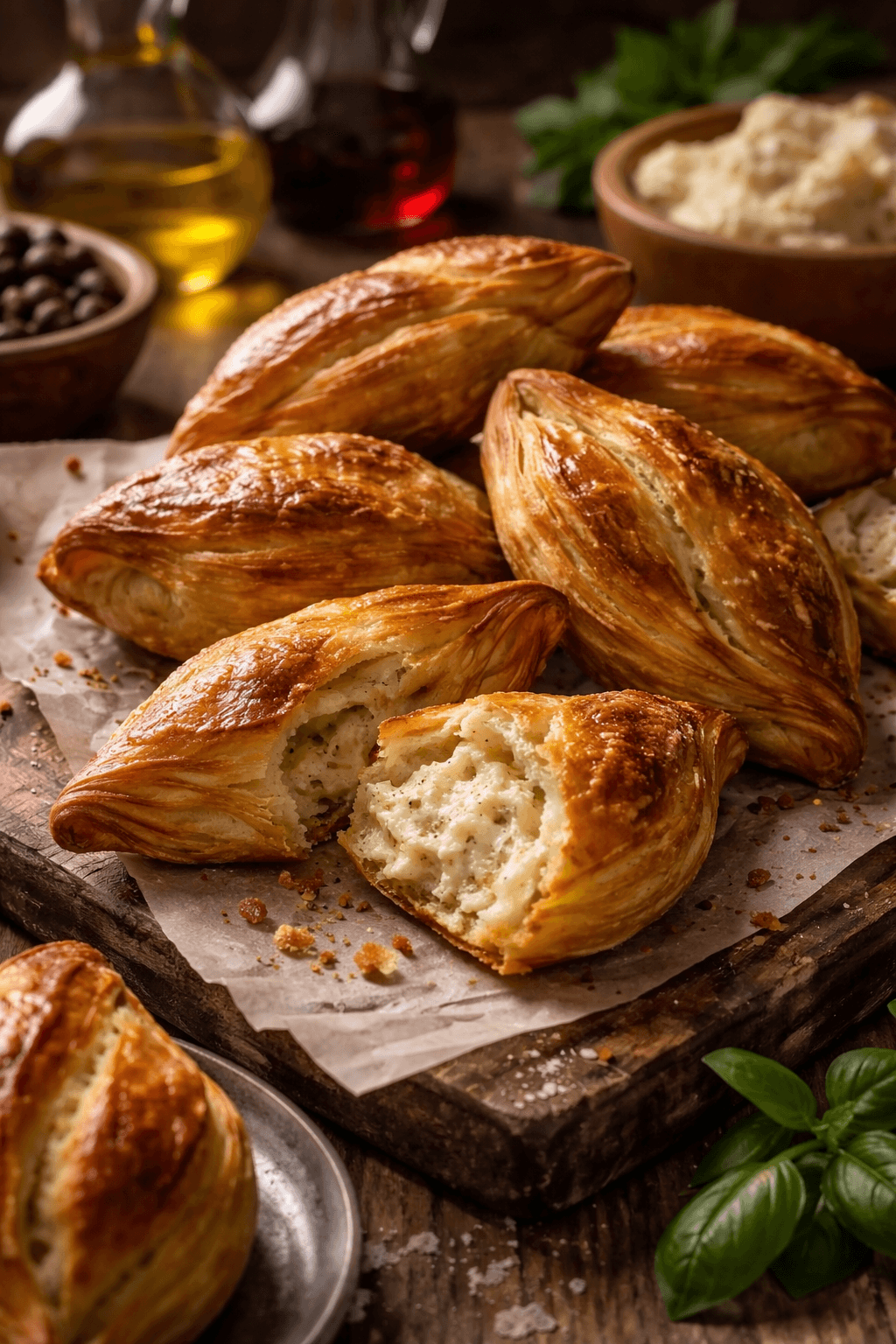
Pastizzi holds the title as Malta's most famous food—flaky pastry parcels filled with ricotta or mushy peas, sold from bakeries across every town and village. Rabbit stew, known locally as fenkata, ranks as the national dish for celebratory meals and Sunday gatherings. Bragioli, stuffed beef olives simmered in red wine, and aljotta, a garlic-rich fish soup, round out the core repertoire of Maltese home cooking and restaurant menus.
The ricotta-filled pastizzi emerged in the 18th century as a working-class staple, its diamond shape and paper-thin layers adapted from Ottoman börek by Maltese bakers in Valletta. Today, pastizzerie open before dawn to supply construction workers, students, and tourists with the warm parcels that cost under a euro and vanish in three bites. The pea variant arrived later, a savory alternative that divides loyalists into ricotta and pea camps with the fervor of a political debate. Rabbit stew entered the national canon during the Knights' era, when hunting restrictions reserved game for the aristocracy and poaching became an act of defiance. Fenkata now anchors village feasts and family celebrations, the meat marinated in wine and garlic, slow-cooked until it falls from the bone, and served with roast potatoes and seasonal vegetables. What is the most famous food in Malta depends on context—pastizzi wins for ubiquity, but fenkata claims ceremonial primacy. Bragioli reflects the Sicilian influence that shaped Maltese kitchens, thin beef rolls stuffed with breadcrumbs, parsley, bacon, and hard-boiled egg, then braised in tomato and red wine. Aljotta, the fisherman's soup built on rockfish stock, garlic, tomato, and rice, appears on Good Friday tables as part of Lenten tradition. Ġbejna, small rounds of sheep or goat cheese served fresh or sun-dried with pepper, accompanies bread and wine at village bars. Seasonal timing matters. Summer menus lean on kapunata, the Maltese ratatouille of eggplant, capers, and olives, while winter brings ross fil-forn, a baked rice dish with minced meat and saffron. The folklore dinner at Ta' Marija in Mosta pairs these traditional dishes with live music and folk dancing, offering visitors a curated introduction to the island's culinary identity in a single evening. The menu rotates with availability, but pastizzi, bragioli, and rabbit appear reliably, served family-style with local wine and conversation that treats food as the opening act to stories about village saints, festa rivalries, and the correct way to pronounce ħobż biż-żejt.
“Pastizzi emerged as a working-class staple in the 18th century, its diamond shape and paper-thin layers adapted from Ottoman börek by Maltese bakers in Valletta.”
Maltese cuisine centers on historical influences and local ingredients, with traditional dishes served during the folklore dinner at Ta' Marija Restaurant. Visitors can experience these signature flavors alongside the performance, or explore local alternatives in the surrounding Mosta area.
restaurant
The on-site venue serves authentic Maltese dishes including rabbit stew (fenkata), ftira, and pastizzi as part of their dinner service.
street
Located within walking distance of the restaurant, local pastizzerias offer freshly baked pastizzi and traditional snacks.
market
Situated in the southeast, this market provides access to fresh seafood dishes that define the local coastal diet.
The venue operates on a consistent daily schedule, welcoming guests throughout the week to enjoy the traditional dining experience.
The Ta' Marija Restaurant venue does not charge an entrance fee for the folklore show itself. Total costs are based on the selection of dinner and show packages.
Verdict: Guests pay only for the selected dinner and show package, which varies based on the menu choices made.
The folklore dinner show is hosted at Ta' Marija Restaurant, located on Constitution Street in the heart of Mosta. This central location in Malta is accessible via the island's bus network or by private vehicle.
Routes 41, 42, 44, or 45 to Mosta Rotunda
Route 23/24 from Valletta via Triq il-Mosta
Direct transfer from Valletta or Sliema
Plan to arrive between 19:30 and 20:00. Arriving at the start of this window allows for a relaxed dinner service before the folklore show begins.
Everything you need to know about what is the most famous food in malta
The most famous food in malta is widely considered to be stuffat tal-fenek, a traditional slow-cooked rabbit stew simmered with garlic, onions, and red wine. Other iconic staples include flaky pastizzi snacks and ftira, a crusty, airy local bread.
Yes, the restaurant features traditional Maltese cuisine, and signature rabbit dishes are often included in the curated dining experience. This provides a perfect opportunity to sample authentic local flavors while enjoying live cultural entertainment.
The evening features a multi-course meal and a vibrant dance performance showcasing Maltese history in eighteenth-century costumes. The venue creates an immersive atmosphere where guests can enjoy local heritage alongside a traditional culinary journey.
Since the folklore dinner show is a popular event held on specific evenings, it is recommended to confirm your attendance in advance. This ensures you have a reserved table to enjoy your meal and the performance without any logistical stress.
The best arrival window is between 19:30 and 20:00, which allows for a relaxed dinner service before the folklore show performance begins. Arriving during this time helps you settle in comfortably before the entertainment starts at 19:30, with the full experience concluding around 22:30.
The show is designed to be an engaging cultural experience for all ages, with lively music and storytelling that often captures the interest of younger guests. The environment at the venue is welcoming and provides an accessible way to introduce family members to Maltese heritage.